Sea Moss vs. Other Superfoods — How It Compares To Spirulina, Chlorella & Ashwagandha
Daily Health & Beauty
The superfood market is crowded. Spirulina, chlorella, ashwagandha, moringa — every year a new contender claims the top spot. Sea moss has been quietly building its case for centuries, and now that modern nutrition science is catching up, the comparison is worth making properly.
This isn't about declaring one winner. It's about understanding what each superfood actually does — so you can make an informed decision about what belongs in your daily routine. If you're new to sea moss entirely, start with our Sea Moss 101 Beginner's Guide.
What Makes A Superfood Worth Taking?
Before comparing, it helps to agree on what we're measuring. A superfood earns its place in a daily routine by delivering:
- Nutrient density — a high concentration of vitamins, minerals, or bioactive compounds per serving
- Bioavailability — nutrients your body can actually absorb and use
- Breadth of benefit — supporting multiple body systems, not just one
- Safety for daily use — no significant risk at recommended doses
- Whole-food form — minimally processed, as close to its natural state as possible
Sea Moss vs. Spirulina
What Is Spirulina?
Spirulina is a blue-green algae grown in freshwater lakes and ponds. It's one of the most protein-dense plant foods available — roughly 60–70% protein by dry weight — and is well studied for its antioxidant and anti-inflammatory properties.
Where Spirulina Wins
If your primary goal is plant-based protein or antioxidant support, spirulina has a strong case. It's also one of the most researched algae supplements, with a solid body of clinical literature behind it.
Where Sea Moss Wins
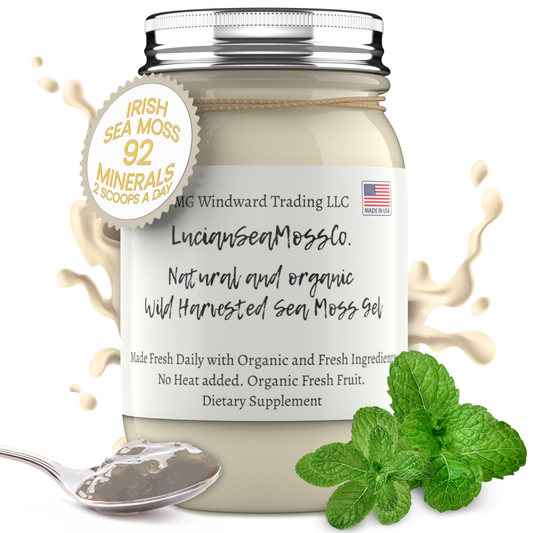
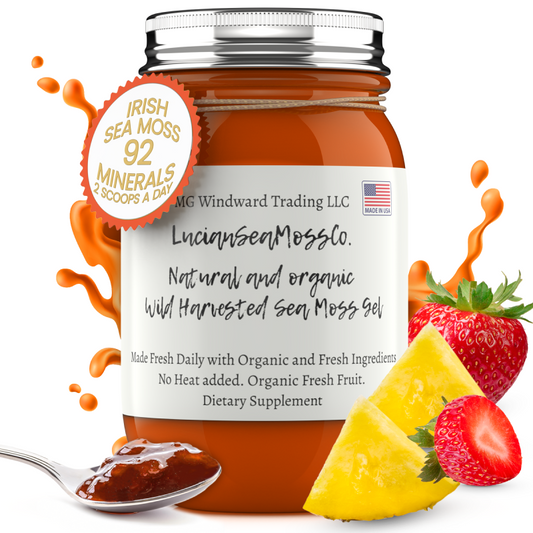
Sea moss contains 92 of the 102 minerals that make up the human body. Spirulina, while nutrient-dense, doesn't come close to that mineral breadth. Sea moss also provides natural iodine — something spirulina lacks — making it far more relevant for thyroid and metabolic health. And sea moss's natural mucilage supports gut health in a way spirulina simply doesn't.
Bottom line: Spirulina is a protein and antioxidant supplement. Sea moss is a mineral and whole-body wellness supplement. They serve different purposes and can be taken together.
Sea Moss vs. Chlorella
What Is Chlorella?
Chlorella is a single-celled green algae, also grown in freshwater. It's best known for its potential role in heavy metal detoxification and its high chlorophyll content. Like spirulina, it's protein-rich and contains a range of B vitamins.
Where Chlorella Wins
Chlorella's detoxification properties are its most distinctive feature — it binds to heavy metals in the digestive tract and may help the body eliminate them. If detox support is a specific goal, chlorella has a role to play.
Where Sea Moss Wins
Sea moss wins on mineral diversity, gut support, and thyroid health — none of which are chlorella's strengths. Sea moss also wins on versatility: it blends seamlessly into food and drinks in a way that chlorella's strong flavor makes difficult.
Bottom line: Chlorella is a detox and protein supplement. Sea moss is a mineral, gut, and thyroid supplement. Again, they can complement each other rather than compete.
Sea Moss vs. Ashwagandha
What Is Ashwagandha?
Ashwagandha is an adaptogenic herb from Ayurvedic medicine, best known for its ability to reduce cortisol levels and support the body's stress response. It's one of the most clinically studied adaptogens available, with strong evidence for stress reduction, sleep quality, and testosterone support in men.
Where Ashwagandha Wins
For stress, anxiety, sleep, and hormonal balance — particularly cortisol and testosterone — ashwagandha has a more targeted and well-documented effect than sea moss. If stress management is your primary concern, ashwagandha is hard to beat.
Where Sea Moss Wins
Sea moss operates on a completely different axis. Where ashwagandha is a targeted adaptogen, sea moss is a broad-spectrum mineral supplement. Sea moss supports thyroid function, gut health, immune defense, skin, and energy — none of which are ashwagandha's primary territory.
Bottom line: Ashwagandha is a stress and hormonal support supplement. Sea moss is a mineral and whole-body foundation supplement. These two are among the most commonly paired superfoods for good reason — they cover completely different ground.
The Head-To-Head Summary
| Category | Sea Moss | Spirulina | Chlorella | Ashwagandha |
|---|---|---|---|---|
| Mineral Diversity | 92 Minerals ✓ | Moderate | Moderate | Low |
| Gut Health | Prebiotic + Mucilage ✓ | Minimal | Moderate | Minimal |
| Thyroid Support | Natural Iodine ✓ | None | None | Indirect |
| Protein Content | Low | High ✓ | High ✓ | None |
| Stress & Cortisol | Minimal | Minimal | Minimal | Strong ✓ |
| Skin & Hair | Collagen Support ✓ | Moderate | Moderate | Minimal |
| Immune Support | Zinc + Iodine ✓ | Moderate | Moderate | Moderate |
| Ease Of Use | Flavorless Gel ✓ | Strong Flavor | Strong Flavor | Capsule/Powder |
Can You Take Them Together?
- Sea moss gel — 1–2 tablespoons in the morning for minerals, gut health, and thyroid support
- Ashwagandha — capsule or powder in the evening for stress and sleep support
- Spirulina or chlorella — added to a smoothie for protein and antioxidant support
If you're only going to add one thing to your routine, sea moss makes the strongest case as a daily foundation. For a full breakdown of what those minerals do day by day, read What Happens To Your Body When You Take Sea Moss Daily.
The Bottom Line
Sea moss doesn't win every category. But it wins the most important one: breadth. No other superfood on this list delivers 92 bioavailable minerals, gut-supporting mucilage, natural iodine for thyroid health, and collagen-supporting compounds in a single daily tablespoon.
Find Your Sea Moss Formula
Wild harvested, made fresh to order, and available in 20+ flavors. Browse the full collection below.
Continue Reading — Sea Moss Deep Dives
Sea Moss Hub
The Complete Sea Moss Resource →
Benefits, how to use it, buying guides, and more — all in one place
Beginner's Guide
Sea Moss 101 — A Beginner's Guide To The Ocean's Most Powerful Superfood
Read the guide →
Health Benefits
Sea Moss Benefits — What Happens To Your Body When You Take It Daily
Read the guide →
Wellness Goals
Sea Moss For Gut Health, Immunity, Skin & Energy — Which Benefit Is Right For You
Read the guide →
How To Use
How To Take Sea Moss Gel — The Right Way To Add It To Your Daily Routine
Read the guide →
Sourcing & Quality
Wild Harvested vs. Farmed Sea Moss — Why It Matters More Than You Think
Read the guide →
Disclaimer: These statements have not been evaluated by the Food and Drug Administration. This product is not intended to diagnose, treat, cure, or prevent any disease. The information provided in this article is for educational purposes only and is not a substitute for professional medical advice, diagnosis, or treatment. Always consult your healthcare provider before starting any new supplement or wellness routine.
Shop The Collection
Wild Harvested Organic Sea Moss
Made Fresh To Order — Never Frozen Or Pre-Made
Browse The Full Collection →Showing 0 Products