Signs Your Body Needs A Cellular Detox (And What To Do About It)
Daily Health & Beauty
Signs Your Body Needs A Cellular Detox (And What To Do About It)
Fatigue, brain fog, chemical sensitivity, and slow recovery aren't random — they're often signs that your cellular detox systems are overwhelmed. Here's what's happening at the cellular level, and what actually helps.
The word "detox" gets thrown around a lot — juice cleanses, foot baths, herbal teas. Most of it is marketing. But underneath the noise, there's a real and well-understood biological process: your body's cellular detoxification system, which runs continuously in every cell, and which can become genuinely overwhelmed.
When it does, the symptoms are specific, recognizable, and often misattributed to stress, aging, or "just how you feel." Understanding what cellular toxin burden actually looks like — and what drives it — is the first step toward addressing it effectively.
The short answer: Cellular detoxification is primarily driven by glutathione and the liver's Phase I and Phase II detox pathways. When toxin input exceeds detox capacity — due to high exposure, depleted glutathione, impaired methylation, or nutritional deficiencies — toxins accumulate at the cellular level. The symptoms are wide-ranging but follow recognizable patterns.
What Cellular Detoxification Actually Is
Your body detoxifies continuously — not periodically. Every cell contains enzymatic systems designed to neutralize and eliminate harmful compounds: reactive oxygen species, environmental chemicals, metabolic waste products, pharmaceutical metabolites, heavy metals, and endogenous toxins like excess hormones and neurotransmitter breakdown products.
The liver is the primary detox organ, processing toxins through two sequential pathways:
Phase I — Activation
Cytochrome P450 enzymes convert fat-soluble toxins into water-soluble intermediates. This makes them easier to excrete — but the intermediates produced are often more reactive and potentially more damaging than the original toxin. Phase I generates significant free radical load as a byproduct.
Phase II — Conjugation
Glutathione and other conjugating molecules bind to the Phase I intermediates, neutralizing them and making them water-soluble enough for excretion via bile or urine. This is where glutathione is consumed — and where the system most commonly becomes rate-limited. If Phase II can't keep up with Phase I output, activated toxin intermediates accumulate.
The 8 Signs Your Cellular Detox System Is Overwhelmed
Persistent Fatigue That Doesn't Resolve With Rest
When cellular detox systems are overwhelmed, mitochondrial function is directly impaired. Toxins — particularly heavy metals and reactive oxygen species — damage the electron transport chain, reducing ATP production. The result is fatigue that isn't explained by sleep deprivation or exertion, and doesn't improve with rest.
This is distinct from ordinary tiredness. It's a cellular energy deficit — your mitochondria are producing less ATP because they're operating in a high-oxidative-stress environment with depleted antioxidant defenses.
Mitochondrial ResearchBrain Fog And Cognitive Difficulty
The brain is particularly vulnerable to toxin accumulation for two reasons: it has the highest metabolic rate of any organ, and it's protected by the blood-brain barrier — which, while protective, also traps lipid-soluble toxins that cross it.
When glutathione is depleted and oxidative stress is high, neuroinflammation increases, neurotransmitter synthesis is impaired, and cognitive function suffers. Brain fog, poor concentration, word-finding difficulty, and memory lapses are common presentations of elevated neurological oxidative burden.
Neuroinflammation ResearchChemical Sensitivity And Reactions To Alcohol
One of the most specific signs of impaired cellular detox is heightened sensitivity to chemicals that require hepatic processing — alcohol, medications, fragrances, cleaning products, and environmental chemicals. If small amounts of alcohol cause disproportionate symptoms, or if you react strongly to chemical exposures that others tolerate easily, your Phase II detox capacity is likely compromised.
This is particularly common in people with MTHFR variants — which reduce glutathione production via impaired methylation — and in people with chronically high toxin exposure that has depleted glutathione reserves.
Hepatic Detox ResearchSlow Recovery From Illness Or Exercise
Both illness and intense exercise generate significant oxidative stress and inflammatory byproducts that require detoxification. When cellular detox capacity is adequate, recovery is efficient. When it's compromised, recovery is slow — you stay sick longer, muscle soreness persists, and you feel run-down for extended periods after physical exertion.
This is because glutathione is the primary antioxidant used to neutralize the oxidative burst of immune activity and exercise-induced free radical production. Depleted glutathione means slower clearance of these byproducts.
Exercise Physiology ResearchSkin Issues — Dullness, Uneven Tone, Breakouts
The skin is a secondary detox organ — when the liver and kidneys are overwhelmed, the body attempts to excrete toxins through the skin. This manifests as breakouts, rashes, dullness, and uneven tone. Additionally, glutathione depletion directly affects skin health: glutathione inhibits tyrosinase (the enzyme that produces melanin), and low glutathione is associated with hyperpigmentation and uneven skin tone.
Dermatology ResearchHormonal Imbalances
Estrogen and other hormones are detoxified through Phase II liver pathways. When these pathways are overwhelmed or glutathione-depleted, estrogen metabolites accumulate — contributing to estrogen dominance symptoms: PMS, heavy periods, mood swings, breast tenderness, and weight gain around the hips and thighs.
Environmental estrogens (xenoestrogens) from plastics, pesticides, and personal care products add to this burden — requiring the same detox pathways that are already under pressure.
Endocrine ResearchDigestive Issues And Food Sensitivities
The gut is both a primary site of toxin exposure and a key component of the detox system. When detox is impaired, gut inflammation increases, intestinal permeability can worsen, and food sensitivities that weren't previously present may develop. Bloating, irregular bowel movements, and new food sensitivities appearing without a clear dietary change are often signs of elevated gut-level toxin burden.
Gut-Liver Axis ResearchChronic Low-Grade Inflammation
Oxidative stress and toxin accumulation are primary drivers of chronic inflammation. When cellular antioxidant defenses are depleted, NF-κB (a key inflammatory signaling molecule) is activated, triggering a sustained inflammatory response. This manifests as joint aches, muscle soreness, elevated inflammatory markers on blood work, and a general sense of systemic inflammation without a clear cause.
Inflammation ResearchWhat Drives Cellular Toxin Burden
High Toxin Input
- Environmental chemicals — air pollution, pesticides, herbicides, industrial chemicals
- Heavy metals — mercury, lead, cadmium from food, water, and environment
- Alcohol — acetaldehyde is highly toxic and glutathione-depleting
- Pharmaceutical metabolites — many medications generate reactive intermediates requiring Phase II conjugation
- Xenoestrogens — plastics (BPA, phthalates), pesticides, personal care products
- Processed foods — artificial additives, preservatives, and oxidized fats all require hepatic processing
Reduced Detox Capacity
- Glutathione depletion — from aging, chronic stress, alcohol, high toxin exposure, or MTHFR variants
- Nutritional deficiencies — B vitamins, magnesium, selenium, and zinc are all required for detox enzymes
- MTHFR variants — impaired methylation reduces glutathione production via the transsulfuration pathway
- Chronic stress — cortisol depletes glutathione while increasing oxidative stress simultaneously
- Poor sleep — the glymphatic system (brain detox) operates primarily during deep sleep
The key insight: Cellular detox isn't about periodic cleanses — it's about maintaining the continuous detox systems your body already has. The most effective interventions support glutathione levels, reduce toxin input, and ensure the nutritional cofactors for detox enzymes are adequate.
What Actually Supports Cellular Detox
Support Glutathione Directly
Since glutathione is the rate-limiting factor in Phase II detox, supporting glutathione levels is the highest-leverage intervention. Liposomal or S-acetyl glutathione forms bypass digestive breakdown and deliver glutathione directly to cells. Sulfur-rich foods (eggs, garlic, onions, cruciferous vegetables) also support glutathione production.
Support The Antioxidant Network
Glutathione doesn't work alone. Vitamin C recycles oxidized glutathione back to its active form. Superoxide dismutase (SOD) neutralizes superoxide radicals before they can overwhelm glutathione. Supporting the full antioxidant network provides more comprehensive cellular protection.
Address Methylation If Relevant
If you carry MTHFR variants or have signs of impaired methylation, addressing methylation with active B vitamins (methylfolate, methylcobalamin) directly supports glutathione production via the transsulfuration pathway.
Reduce Toxin Input
Supporting detox capacity is more effective when combined with reducing the toxin load the system has to process. Filtering drinking water, choosing organic produce for high-pesticide items, reducing alcohol, and minimizing processed food all reduce the demand on an already-stressed system.
Support Your Cellular Detox Systems
The Physician Designed™ collection targets the primary drivers of cellular toxin burden — glutathione, the antioxidant network, methylation, and mitochondrial function. Scroll down to explore the full collection.
See The Products ↓The Bottom Line
Cellular detox isn't a periodic event — it's a continuous process that can become overwhelmed when toxin input exceeds capacity. The signs are specific and recognizable: fatigue, brain fog, chemical sensitivity, slow recovery, skin issues, hormonal imbalances, digestive problems, and chronic inflammation. Addressing them effectively means supporting the underlying systems — primarily glutathione and the Phase II detox pathways — rather than pursuing superficial cleanses that don't touch the cellular mechanisms driving the symptoms.
The Complete Cellular Health Collection
Every formula is physician-formulated with bioavailable ingredient forms that actually reach your cells. Products most relevant to this article are highlighted.
Most Relevant To This Article Also In The CollectionRelated Articles & Resources
Complete GuideThe Cellular Health Hub — The Complete Science
Our full educational resource on cellular health — six pillars, symptom checker, bioavailability science, and the full Physician Designed™ collection.
What Is Glutathione — And Why Is It Called The Master Antioxidant?
Glutathione is the primary driver of Phase II liver detox. Here's the complete science on your body's master antioxidant.
MTHFR Gene Mutation: What It Means For Your Health
MTHFR variants reduce glutathione production — directly impairing cellular detox capacity.
Liposomal vs. Regular Vitamin C: Which Works Better?
Vitamin C recycles glutathione back to its active form — making it a key part of the cellular detox network.
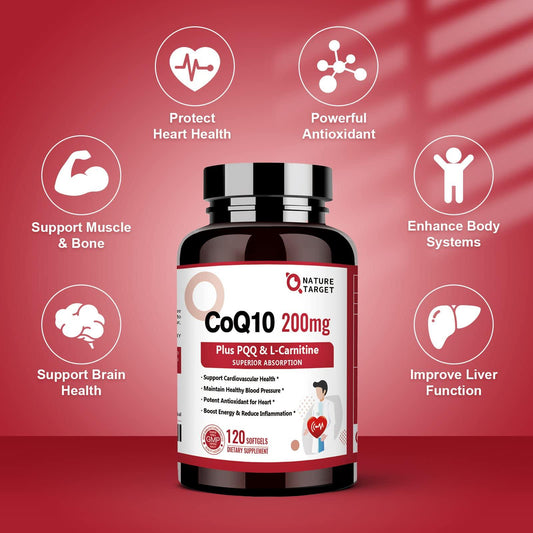
CoQ10 And Brain Health: How Mitochondria Affect Memory & Focus
Mitochondria are the primary site of free radical production. Supporting them reduces the oxidative burden on your detox systems.